
Chrysanthemums, sometimes called mums or chrysanths, are flowering plants of the genus Chrysanthemum in the family Asteraceae. They are native to Asia and northeastern Europe. Most species originate from East Asia and the center of diversity is in China. There are many horticultural varieties and cultivars. The name "chrysanthemum" comes from the Ancient Greek:?????? chrysos (gold) and Ancient Greek:??????? anthemon (flower).
Taxonomy
The genus once included more species, unfortunately he break up several decades ago into several genera, putting the economically important florist's chrysanthemums in the genus Dendranthema. The naming of the genera has been contentious, but a ruling of the International Botanical Congress in 1999 changed the defining species of the genus to Chrysanthemum indicum, restoring the florist's chrysanthemums to the genus Chrysanthemum.The other species previously contained in the narrow view of the genus Chrysanthemum are now transferred to the genus Glebionis. The other overal separate from Chrysanthemum include Argyranthemum, Leucanthemopsis, Leucanthemum, Rhodanthemum, and Tanacetum.
Description
Crazy Chrysanthemum taxa are herbaceous perennial plants or subshrubs. They have alternately organized leaves divided into booklets with toothed or from time to time smooth edges. The chemical substance inflorescence is an series of several flower minds, or sometimes a solitary head. The head has a base covered in layers of phyllaries. The simple row of ray florets are white, yellowish or red; many horticultural specimens have been bred to bear many rows of ray florets in a great variety of colors. The disc florets of wild taxa are orange. The fruit is a ribbed achene. Chrysanthemums, also known as 'mums', are one of the nicest varieties of perennials that start blooming early in the fall. This is also known as favorite flower for the month of November.
Modern developed chrysanthemums are showier than their wild relatives. The flower heads occur in various forms, and is daisy-like or decorative, like aigrette or buttons. This genus contains many hybrids and thousands of cultivars developed for horticultural purposes. In addition to the traditional yellow, other colors are available, such as white, purple, and red. The most important hybrid is Chrysanthemum x morifolium (syn. C. x grandiflorum), derived mostly from C. indicum, but also involving other species.Over 140 varieties of chrysanthemum have gained the Royal Horticultural Society's Prize of Garden Merit.
Chrysanthemums are split up into two basic groups, garden hardy and exhibition. Garden hardy moms are new perennials able of wintering in most northern latitudes. Exhibition varieties are not usually as sturdy. Garden hardies are defined by their ability to generate an abundance of small blooms with little if any mechanical assistance, such as staking, and withstanding wind and rainfall. Exhibition varieties, though, require staking, overwintering in a relatively dry, cool environment, and sometimes the addition of evening lights.
The exhibition varieties can be used to create many amazing flower forms, such as large disbudded blooms, spray varieties, and many artistically trained forms, such as thousand-bloom, standard (trees), fans, suspending baskets, topiary, bonsai, and cascades.
Chrysanthemum blooms are divided into 10 different bloom forms by the US National Chrysanthemum Society, Inc., which is in keeping with the international distinction system. The bloom forms are defined by the way in which the ray and disk florets are arranged. Chrysanthemum flowers are composed of many individual flowers (florets), each one capable of producing a seedling. The disk florets are in the center of the bloom head, and the ray florets are on the perimeter. The ray florets are considered imperfect flowers, as they only possess the female effective organs, while the drive florets are considered perfect flowers, as they own both male and feminine reproductive organs.
Yellow Chrysanthemum seed courtyard plant balcony decoration 30 seeds

All Kinds Of Chrysanthemum Seeds Flos Mum Seeds For Planting Native to

chrysanthemum snowland seeds annual approx 50 seeds per package

Chrysanthemum 39;Creamist White39; Early

MARIGOLD SEED GIANT SIZE CHRYSANTHEMUM TYPE BRIGHT YELLOW FLUFFY

Chrysanthemums, sometimes called mums or chrysanths, are flowering plant life of the genus Chrysanthemum in the family Asteraceae. They are native to Asia and northeastern Europe. Most species originate from East Asia and the center of diversity is in China. There are many horticultural varieties and cultivars. The name "chrysanthemum" is derived from the Ancient Ancient greek:?????? chrysos (gold) and Old Greek:??????? anthemon (flower).
Taxonomy
The genus once included more species, but was split several decades ago into several genera, putting the economically important florist's chrysanthemums in the genus Dendranthema. The naming of the genera has been contentious, but a ruling of the International Botanical Congress in 1999 changed the defining species of the genus to Chrysanthemum indicum, restoring the florist's chrysanthemums to the genus Chrysanthemum.The other species previously within the narrow view of the genus Chrysanthemum are now used in the genus Glebionis. The other genera separate from Chrysanthemum include Argyranthemum, Leucanthemopsis, Leucanthemum, Rhodanthemum, and Tanacetum.
Description
Outdoors Chrysanthemum taxa are herbaceous perennial plants or subshrubs. They have alternately arranged leaves divided into leaflets with toothed or sometimes smooth edges. The substance inflorescence is an series of several flower minds, or sometimes a solitary head. The head has a base covered in layers of phyllaries. The simple row of ray florets are white, yellow or red; many horticultural specimens have been bred to bear many series of ray florets in a great variety of colours. The disc florets of wild taxa are orange. The fruit is a ribbed achene. Chrysanthemums, also known as 'mums', are one of the nicest varieties of perennials that start blooming early in the fall. This is also known as favorite flower for the month of November.
Modern developed chrysanthemums are showier than their wild relatives. The flower heads occur in various forms, and is daisy-like or decorative, like aigrette or buttons. This genus contains many hybrids and thousands of cultivars developed for horticultural purposes. As well as the traditional yellow, other colors are available, such as white, purple, and red. The most important hybrid is Chrysanthemum x morifolium (syn. C. x grandiflorum), derived generally from C. indicum, but also involving other types.Over 140 varieties of chrysanthemum have gained the Royal Horticultural Society's Prize of Garden Merit.
Chrysanthemums are broken into two basic groups, garden hardy and exhibition. Garden hardy moms are new perennials in a position of wintering in most northern latitudes. Exhibition varieties are not usually as sturdy. Garden hardies are defined by their ability to create an abundance of small blooms with little if any mechanical assistance, such as staking, and withstanding wind and rainfall. Exhibition varieties, though, require staking, overwintering in a relatively dry, cool environment, and sometimes the addition of evening lights.
The exhibition kinds can be used to create many amazing flower forms, such as large disbudded blooms, spray forms, and many artistically trained forms, such as thousand-bloom, standard (trees), fans, hanging baskets, topiary, bonsai, and cascades.
Chrysanthemum blooms are divided into 10 different bloom forms by the US National Chrysanthemum World, Inc., which is in preserving the international distinction system. The bloom forms are defined by the way in which the ray and disk florets are arranged. Chrysanthemum blooms are composed of many specific flowers (florets), each one capable of manufacturing a seed. The disk florets are in the center of the bloom head, and the ray florets are on the perimeter. The ray florets are viewed as not perfect flowers, as they only have the female effective organs, while the disk florets are considered perfect flowers, as they own both male and feminine reproductive organs.
Lettering mums, roses and aster FUNERAL WREATHS amp; FLOWERS Pinte

Symbolic Meaning of Traditional Funeral Flowers Lifestory Occasions

Flowers from Mum’s Funeral – 16th January 2009 Fidsy39;s Random

Chrysanthemum Funeral Booklet Flyer

Yellow Roses, Chrysanthemums amp; Carnations Spray Funeral Flowers

Chrysanthemums, sometimes called mums or chrysanths, are flowering vegetation of the genus Chrysanthemum in the family Asteraceae. They are native to Asia and northeastern Europe. Most species originate from East Asia and the center of diversity is in China. There are many horticultural varieties and cultivars. The name "chrysanthemum" is derived from the Ancient Ancient greek:?????? chrysos (gold) and Old Greek:??????? anthemon (flower).
Taxonomy
The genus once included more species, but was split several decades ago into several genera, putting the economically important florist's chrysanthemums in the genus Dendranthema. The naming of the genera has been contentious, but a ruling of the International Botanical Congress in 1999 changed the defining species of the genus to Chrysanthemum indicum, restoring the florist's chrysanthemums to the genus Chrysanthemum.The other species previously within the narrow view of the genus Chrysanthemum are now transferred to the genus Glebionis. The other overal separate from Chrysanthemum include Argyranthemum, Leucanthemopsis, Leucanthemum, Rhodanthemum, and Tanacetum.
Description
Crazy Chrysanthemum taxa are herbaceous perennial plants or subshrubs. They have alternately set up leaves divided into leaflets with toothed or sometimes smooth edges. The substance inflorescence is an mixture of several flower heads, or sometimes a solo head. The head has a base covered in layers of phyllaries. The simple row of ray florets are white, yellow or red; many horticultural specimens have been bred to bear many rows of ray florets in a great variety of colors. The disc florets of wild taxa are yellowish. The fruit is a ribbed achene. Chrysanthemums, also known as 'mums', are one of the nicest varieties of perennials that start blooming early in the fall. This is also known as favorite flower for the month of November.
Modern developed chrysanthemums are showier than their wild relatives. The flower heads occur in various forms, and is daisy-like or decorative, like aigrette or buttons. This genus contains many hybrids and thousands of cultivars developed for horticultural purposes. Besides the traditional yellow, other colors are available, such as white, purple, and red. The main hybrid is Chrysanthemum x morifolium (syn. C. x grandiflorum), derived generally from C. indicum, but also involving other varieties.Over 140 varieties of chrysanthemum have gained the Royal Horticultural Society's Prize of Garden Merit.
Chrysanthemums are broken into two basic groups, garden hardy and exhibition. Garden hardy moms are new perennials in a position of wintering in most northern latitudes. Exhibition varieties are not usually as sturdy. Garden hardies are defined by their capacity to create an abundance of small blooms with little if any mechanical assistance, such as staking, and withstanding wind and rain. Exhibition varieties, though, require staking, overwintering in a relatively dry, cool environment, and sometimes digging in evening lights.
The exhibition types can be used to create many amazing flower forms, such as large disbudded blooms, spray varieties, and many artistically trained forms, such as thousand-bloom, standard (trees), fans, hanging baskets, topiary, bonsai, and cascades.
Chrysanthemum blooms are divided into 10 different bloom forms by the US National Chrysanthemum Culture, Inc., which is in preserving the international classification system. The bloom forms are defined by the way in which the ray and disk florets are arranged. Chrysanthemum blossoms consist of many specific flowers (florets), each one capable of manufacturing a seedling. The disk florets are in the center of the bloom head, and the ray florets are on the perimeter. The ray florets are believed not perfect flowers, as they only have got the female successful organs, while the disk florets are considered perfect flowers, as they have got both male and male reproductive organs.
Chrysanthemums, White chrysanthemum and Japanese art on Pinterest

The art of the Japanese Chrysanthemum Flickr Photo Sharing!

Chrysanthemum flower by jessicore666 on DeviantArt

Japanese Chrysanthemum Painting chrysanthemum orange: watercolor

Yellow Chrysanthemum Kawarazaki Japanese Art Japanese Art

Chrysanthemums, sometimes called mums or chrysanths, are flowering plant life of the genus Chrysanthemum in the family Asteraceae. They are native to Asia and northeastern Europe. Most species originate from East Asia and the center of diversity is in China. There are many horticultural varieties and cultivars. The name "chrysanthemum" is derived from the Ancient Ancient greek language:?????? chrysos (gold) and Ancient Greek:??????? anthemon (flower).
Taxonomy
The genus once included more species, unfortunately he divided several decades ago into several genera, putting the economically important florist's chrysanthemums in the genus Dendranthema. The naming of the genera has been good, but a ruling of the International Botanical The legislature in 1999 changed the defining species of the genus to Chrysanthemum indicum, restoring the florist's chrysanthemums to the genus Chrysanthemum.The other species previously contained in the narrow view of the genus Chrysanthemum are now transferred to the genus Glebionis. The other genera separate from Chrysanthemum include Argyranthemum, Leucanthemopsis, Leucanthemum, Rhodanthemum, and Tanacetum.
Description
Wild Chrysanthemum taxa are herbaceous perennial plants or subshrubs. They have alternately set up leaves divided into booklets with toothed or from time to time smooth edges. The chemical substance inflorescence is an mixture of several flower heads, or sometimes a solitary head. The head has a base covered in layers of phyllaries. The simple row of beam florets are white, yellowish or red; many horticultural specimens have been bred to bear many rows of ray florets in a great variety of colors. The disc florets of wild taxa are yellow. The fruit is a ribbed achene. Chrysanthemums, also known as 'mums', are one of the lovliest varieties of perennials that start blooming early in the fall. This is also known as favorite flower for the month of November.
Modern cultivated chrysanthemums are showier than their wild relatives. The flower heads occur in various forms, and is daisy-like or decorative, like pompons or buttons. This genus contains many hybrids and thousands of cultivars developed for horticultural purposes. In addition to the traditional yellow, other colors are available, such as white, purple, and red. The most crucial hybrid is Chrysanthemum x morifolium (syn. C. x grandiflorum), derived generally from C. indicum, but also involving other types.Over 140 varieties of chrysanthemum have gained the Royal Horticultural Society's Honor of Garden Merit.
Chrysanthemums are divided into two basic groups, garden hardy and exhibition. Garden hardy mums are new perennials able of wintering in most northern latitudes. Exhibition varieties are not usually as sturdy. Garden hardies are defined by their capability to create an abundance of small blooms with little if any mechanical assistance, such as staking, and withstanding wind and rainwater. Exhibition varieties, though, require staking, overwintering in a relatively dry, cool environment, and sometimes the addition of night time lights.
The exhibition kinds can be used to create many amazing flower forms, such as large disbudded blooms, spray varieties, and many artistically trained forms, such as thousand-bloom, standard (trees), fans, suspending baskets, topiary, bonsai, and cascades.
Chrysanthemum blooms are divided into 10 different bloom forms by the US National Chrysanthemum World, Inc., which is in preserving the international distinction system. The bloom varieties are defined by the way in which the ray and disk florets are arranged. Chrysanthemum blooms consist of many specific flowers (florets), each one capable of producing a seedling. The disk florets are in the center of the bloom head, and the ray florets are on the perimeter. The ray florets are considered imperfect flowers, as they only own the female effective organs, while the disk florets are considered perfect flowers, as they have got both male and feminine reproductive organs.
chrysanthemum flowers dendranthema x grandiflorum are grown in central

Chrysanthemums Patio Plants Begonias and Bulbs Grow Your Own Sale and

Chrysanthemum 39;Clara Curtis39; Chrysanthemum x rubellum 39;Clara Cu
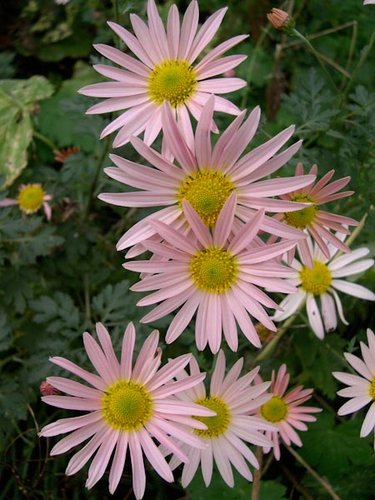
Feverfew Plants: How To Grow Feverfew

Chrysanthemum Yellow Multicaule

Chrysanthemums, sometimes called mums or chrysanths, are flowering plant life of the genus Chrysanthemum in the family Asteraceae. They are native to Asia and northeastern Europe. Most species originate from East Asia and the center of diversity is in China. There are countless horticultural varieties and cultivars. The name "chrysanthemum" is derived from the Ancient Ancient greek language:?????? chrysos (gold) and Old Greek:??????? anthemon (flower).
Taxonomy
The genus once included more species, unfortunately he break up several decades ago into several genera, putting the economically important florist's chrysanthemums in the genus Dendranthema. The naming of the genera has been contentious, but a ruling of the International Botanical Our elected representatives in 1999 changed the defining species of the genus to Chrysanthemum indicum, restoring the florist's chrysanthemums to the genus Chrysanthemum.The other species recently within the narrow view of the genus Chrysanthemum are now transferred to the genus Glebionis. The other overal separate from Chrysanthemum include Argyranthemum, Leucanthemopsis, Leucanthemum, Rhodanthemum, and Tanacetum.
Description
Crazy Chrysanthemum taxa are herbaceous perennial plants or subshrubs. They have alternately organized leaves divided into leaflets with toothed or occasionally smooth edges. The compound inflorescence is an array of several flower heads, or sometimes a solo head. The head has a base covered in layers of phyllaries. The simple row of beam florets are white, yellowish or red; many horticultural specimens have been carefully bred to bear many series of ray florets in a great variety of colours. The disc florets of wild taxa are yellow. The fruit is a ribbed achene. Chrysanthemums, also known as 'mums', are one of the nicest varieties of perennials that start blooming early in the fall. This is also known as favorite flower for the month of November.
Modern cultivated chrysanthemums are showier than their wild relatives. The flower heads occur in various forms, and is daisy-like or decorative, like aigrette or buttons. This genus contains many hybrids and thousands of cultivars developed for horticultural purposes. Besides the traditional yellow, other colors are available, such as white, purple, and red. The most crucial hybrid is Chrysanthemum x morifolium (syn. C. x grandiflorum), derived mostly from C. indicum, but also involving other types.Over 140 varieties of chrysanthemum have gained the Royal Horticultural Society's Prize of Garden Merit.
Chrysanthemums are divided into two basic groups, garden hardy and exhibition. Garden hardy mothers are new perennials able of wintering in most northern latitudes. Exhibition varieties are not usually as sturdy. Garden hardies are defined by their ability to create an abundance of small blooms with little if any mechanical assistance, such as staking, and withstanding wind and rain. Exhibition varieties, though, require staking, overwintering in a relatively dry, cool environment, and sometimes digging in evening lights.
The exhibition types can be used to create many amazing flower forms, such as large disbudded blooms, spray forms, and many artistically trained forms, such as thousand-bloom, standard (trees), fans, dangling baskets, topiary, bonsai, and cascades.
Chrysanthemum blooms are divided into 10 different bloom forms by the US National Chrysanthemum Culture, Inc., which is in preserving the international category system. The bloom varieties are defined by the way in which the ray and disk florets are arranged. Chrysanthemum flowers consist of many specific flowers (florets), each one capable of producing a seeds. The disk florets are in the center of the bloom head, and the ray florets are on the perimeter. The ray florets are viewed as imperfect flowers, as they only have the female effective organs, while the disk florets are considered perfect flowers, as they have got both male and male reproductive organs.
Silver chrysanthemum outline necklace Felt

Chrysanthemums, Green and Photos on Pinterest

Hairburst Vitamins for New Mums 30 capsules

Mum Flower on Pinterest White Chrysanthemum, Spider Mums and Gerbera

Single white daisy with yellow centre. Upright habit on compact plants

Chrysanthemums, sometimes called mums or chrysanths, are flowering plant life of the genus Chrysanthemum in the family Asteraceae. They are native to Asia and northeastern The european countries. Most species originate from East Asia and the center of diversity is in China. There are many horticultural varieties and cultivars. The name "chrysanthemum" comes from the Ancient Greek:?????? chrysos (gold) and Ancient Greek:??????? anthemon (flower).
Taxonomy
The genus once included more species, but was divided several decades ago into several genera, putting the economically important florist's chrysanthemums in the genus Dendranthema. The naming of the genera has been contentious, but a ruling of the International Botanical The legislature in 1999 changed the defining species of the genus to Chrysanthemum indicum, restoring the florist's chrysanthemums to the genus Chrysanthemum.The other species recently contained in the narrow view of the genus Chrysanthemum are now transferred to the genus Glebionis. The other overal separate from Chrysanthemum include Argyranthemum, Leucanthemopsis, Leucanthemum, Rhodanthemum, and Tanacetum.
Description
Outdoors Chrysanthemum taxa are herbaceous perennial plants or subshrubs. They have alternately arranged leaves divided into booklets with toothed or from time to time smooth edges. The chemical substance inflorescence is an mixture of several flower minds, or sometimes a solo head. The head has a base covered in layers of phyllaries. The simple row of beam florets are white, orange or red; many horticultural specimens have been carefully bred to bear many lanes of ray florets in a great variety of colours. The disc florets of wild taxa are yellow. The fruit is a ribbed achene. Chrysanthemums, also known as 'mums', are one of the nicest varieties of perennials that start blooming early in the fall. This is also known as favorite flower for the month of November.
Modern grown chrysanthemums are showier than their wild relatives. The flower heads occur in various forms, and can be daisy-like or decorative, like pompons or buttons. This genus contains many hybrids and thousands of cultivars developed for horticultural purposes. In addition to the traditional yellow, other colors are available, such as white, purple, and red. The most crucial hybrid is Chrysanthemum x morifolium (syn. C. x grandiflorum), derived mainly from C. indicum, but also involving other types.Over 140 varieties of chrysanthemum have gained the Royal Horticultural Society's Award of Garden Merit.
Chrysanthemums are broken into two basic groups, garden hardy and exhibition. Garden hardy mums are new perennials able of wintering in most northern latitudes. Exhibition types are not usually as sturdy. Garden hardies are defined by their capability to produce an abundance of small blooms with little if any mechanical assistance, such as staking, and withstanding wind and rainfall. Exhibition varieties, though, require staking, overwintering in a relatively dry, cool environment, and sometimes digging in night time lights.
The exhibition varieties can be used to create many amazing flower forms, such as large disbudded blooms, spray varieties, and many artistically trained forms, such as thousand-bloom, standard (trees), fans, dangling baskets, topiary, bonsai, and cascades.
Chrysanthemum blooms are divided into 10 different bloom forms by the US National Chrysanthemum Society, Inc., which is in keeping with the international distinction system. The bloom forms are defined by the way in which the ray and disk florets are arranged. Chrysanthemum blooms are composed of many specific flowers (florets), each one capable of producing a seedling. The disk florets are in the center of the bloom head, and the ray florets are on the perimeter. The ray florets are believed imperfect flowers, as they only have the female effective organs, while the storage florets are considered perfect flowers, as they own both male and male reproductive organs.
Gladiolus Flower Photos on Pinterest Chrysanthemum Tattoo, Gladiolus

gladiolus,flowers,chrysanthemums,yellow background wallpapers

Gladiolus Chrysanthemums Flowers Bouquet Wallpapers Pictures Picture
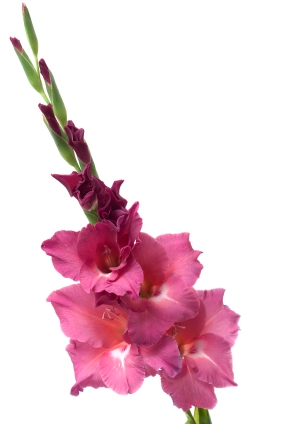
Chrysanthemum Related Keywords amp; Suggestions Chrysanthemum Long Tail
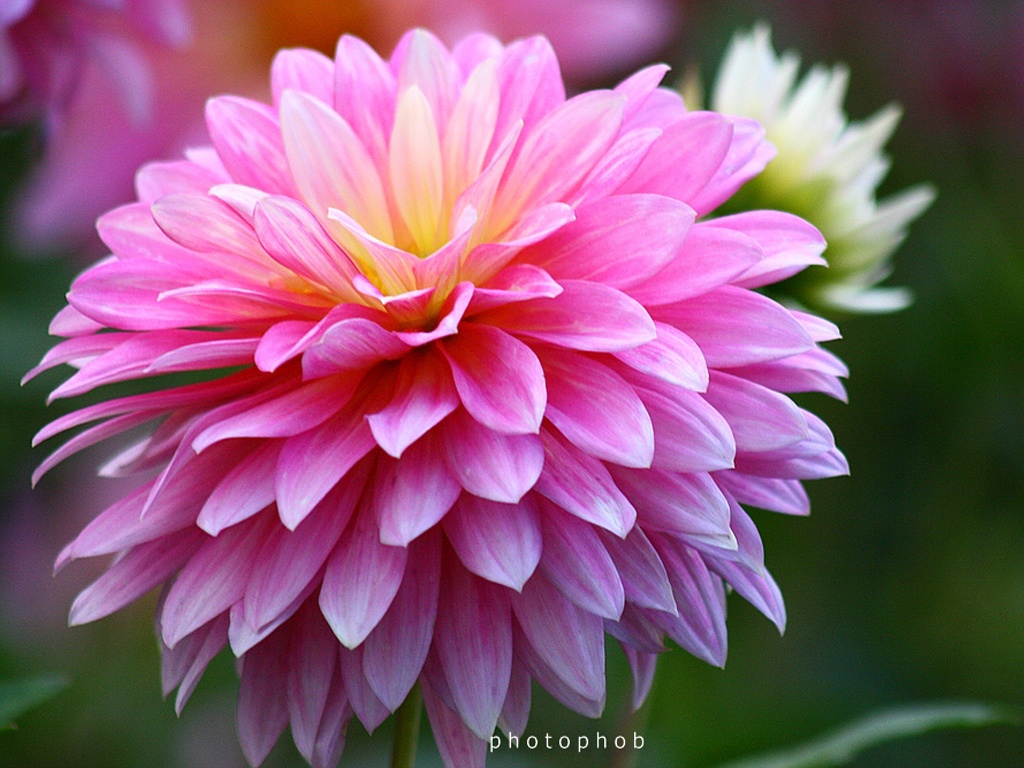
Spike vase with yellow Gladiolus, Lilies, Chrysanthemum Artificial

Chrysanthemums, sometimes called mums or chrysanths, are flowering plant life of the genus Chrysanthemum in the family Asteraceae. They are native to Asia and northeastern The european countries. Most species originate from East Asia and the center of diversity is in China. There are countless horticultural varieties and cultivars. The name "chrysanthemum" is derived from the Ancient Ancient greek:?????? chrysos (gold) and Old Greek:??????? anthemon (flower).
Taxonomy
The genus once included more species, but was divided several decades ago into several genera, putting the economically important florist's chrysanthemums in the genus Dendranthema. The naming of the genera has been contentious, but a ruling of the International Botanical Congress in 1999 changed the defining species of the genus to Chrysanthemum indicum, restoring the florist's chrysanthemums to the genus Chrysanthemum.The other species previously contained in the narrow view of the genus Chrysanthemum are now utilized in the genus Glebionis. The other genera separate from Chrysanthemum include Argyranthemum, Leucanthemopsis, Leucanthemum, Rhodanthemum, and Tanacetum.
Description
Outdoors Chrysanthemum taxa are herbaceous perennial plants or subshrubs. They have alternately set up leaves divided into leaflets with toothed or from time to time smooth edges. The compound inflorescence is an mixture of several flower minds, or sometimes a solo head. The head has a base covered in layers of phyllaries. The simple row of ray florets are white, yellowish or red; many horticultural specimens have been bred to bear many series of ray florets in a great variety of colours. The disc florets of wild taxa are yellowish. The fruit is a ribbed achene. Chrysanthemums, also known as 'mums', are one of the lovliest varieties of perennials that start blooming early in the fall. This is also known as favorite flower for the month of November.
Modern developed chrysanthemums are showier than their wild relatives. The flower heads occur in various forms, and can be daisy-like or decorative, like aigrette or buttons. This genus contains many hybrids and thousands of cultivars developed for horticultural purposes. Besides the traditional yellow, other colors are available, such as white, purple, and red. The most crucial hybrid is Chrysanthemum x morifolium (syn. C. x grandiflorum), derived generally from C. indicum, but also involving other types.Over 140 varieties of chrysanthemum have gained the Royal Horticultural Society's Award of Garden Merit.
Chrysanthemums are divided into two basic groups, garden hardy and exhibition. Garden hardy moms are new perennials capable of wintering in most northern latitudes. Exhibition kinds are not usually as sturdy. Garden hardies are defined by their capacity to produce an abundance of small blooms with little if any mechanical assistance, such as staking, and withstanding wind and rain. Exhibition varieties, though, require staking, overwintering in a relatively dry, cool environment, and sometimes the addition of evening lights.
The exhibition kinds can be used to create many amazing plant forms, such as large disbudded blooms, spray forms, and many artistically trained forms, such as thousand-bloom, standard (trees), fans, suspending baskets, topiary, bonsai, and cascades.
Chrysanthemum blooms are divided into 10 different bloom forms by the US National Chrysanthemum World, Inc., which is in keeping with the international classification system. The bloom varieties are defined by the way in which the ray and disk florets are arranged. Chrysanthemum blossoms are composed of many specific flowers (florets), each one capable of manufacturing a seed. The disk florets are in the center of the bloom head, and the ray florets are on the perimeter. The ray florets are viewed as not perfect flowers, as they only own the female successful organs, while the drive florets are considered perfect flowers, as they own both male and male reproductive organs.
Chrysanthemum Seeds Potted Flower Seed Garden Yard Supplies eBay

Mums Gold Wedding Bridal Bouquet Silk Flowers Centerpiece 50th

How to Grow Chrysanthemum Flowers eBay
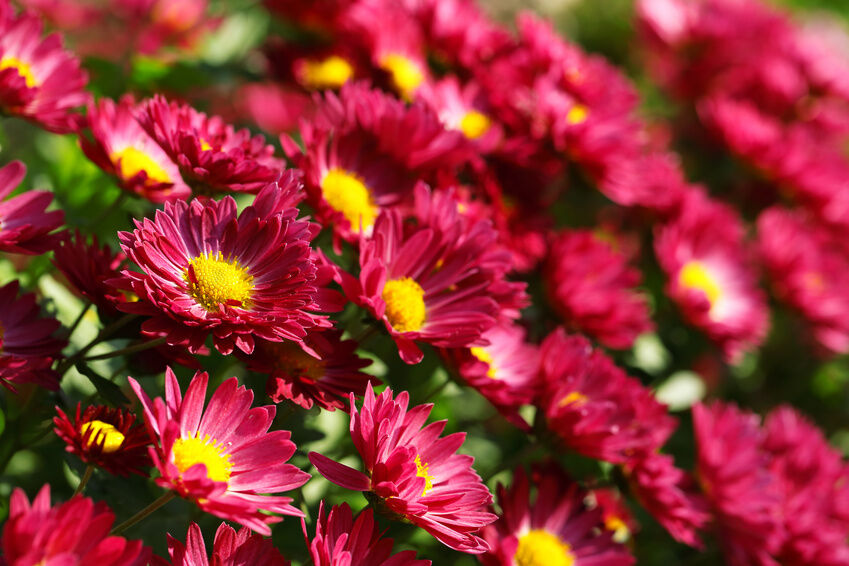
1x Chrysanthemum Plant Double White Mums Plant eBay

Chrysanthemum Seeds Yellow Button Flower Seeds 100 Seeds eBay

Chrysanthemums, sometimes called mums or chrysanths, are flowering vegetation of the genus Chrysanthemum in the family Asteraceae. They are native to Asia and northeastern The european countries. Most species originate from East Asia and the center of diversity is in China. There are many horticultural varieties and cultivars. The name "chrysanthemum" is derived from the Ancient Ancient greek:?????? chrysos (gold) and Old Greek:??????? anthemon (flower).
Taxonomy
The genus once included more species, but was break up several decades ago into several genera, putting the economically important florist's chrysanthemums in the genus Dendranthema. The naming of the genera has been contentious, but a ruling of the International Botanical Congress in 1999 changed the defining species of the genus to Chrysanthemum indicum, restoring the florist's chrysanthemums to the genus Chrysanthemum.The other species recently included in the narrow view of the genus Chrysanthemum are now utilized in the genus Glebionis. The other overal separate from Chrysanthemum include Argyranthemum, Leucanthemopsis, Leucanthemum, Rhodanthemum, and Tanacetum.
Description
Wild Chrysanthemum taxa are herbaceous perennial plants or subshrubs. They have alternately organized leaves divided into booklets with toothed or sometimes smooth edges. The chemical substance inflorescence is an mixture of several flower minds, or sometimes an one head. The head has a base covered in layers of phyllaries. The simple row of beam florets are white, yellowish or red; many horticultural specimens have been bred to bear many series of ray florets in a great variety of colors. The disc florets of wild taxa are yellowish. The fruit is a ribbed achene. Chrysanthemums, also known as 'mums', are one of the prettiest varieties of perennials that start blooming early in the fall. This is also known as favorite flower for the month of November.
Modern developed chrysanthemums are showier than their wild relatives. The flower heads occur in various forms, and can be daisy-like or decorative, like aigrette or buttons. This genus contains many hybrids and thousands of cultivars developed for horticultural purposes. As well as the traditional yellow, other colors are available, such as white, purple, and red. The most crucial hybrid is Chrysanthemum x morifolium (syn. C. x grandiflorum), derived primarily from C. indicum, but also involving other types.Over 140 varieties of chrysanthemum have gained the Royal Horticultural Society's Award of Garden Merit.
Chrysanthemums are broken into two basic groups, garden hardy and exhibition. Garden hardy mums are new perennials able of wintering in most northern latitudes. Exhibition varieties are not usually as sturdy. Garden hardies are defined by their capability to produce an abundance of small blooms with little if any mechanical assistance, such as staking, and withstanding wind and rain. Exhibition varieties, though, require staking, overwintering in a relatively dry, cool environment, and sometimes the addition of night time lights.
The exhibition kinds can be used to create many amazing plant forms, such as large disbudded blooms, spray forms, and many artistically trained forms, such as thousand-bloom, standard (trees), fans, dangling baskets, topiary, bonsai, and cascades.
Chrysanthemum blooms are divided into 10 different bloom forms by the US National Chrysanthemum Society, Inc., which is in keeping with the international distinction system. The bloom forms are defined by the way in which the ray and disk florets are arranged. Chrysanthemum blossoms consist of many specific flowers (florets), each one capable of producing a seeds. The disk florets are in the center of the bloom head, and the ray florets are on the perimeter. The ray florets are considered imperfect flowers, as they only have the female successful organs, while the drive florets are considered perfect flowers, as they have both male and feminine reproductive organs.
Chrysanthemums are some of the most popular flowers in the world, next

Hyacinth Pioneer Flower Farms Wholesale Greenhouse Specialists

Yellow Football Mum Flower

Chrysanthemum wedding bouquets natural flowers that look great when

gift for any occasion. Bright yellow Daffodils with purple Iris

Chrysanthemums, sometimes called mums or chrysanths, are flowering plants of the genus Chrysanthemum in the family Asteraceae. They are native to Asia and northeastern Europe. Most species originate from East Asia and the center of diversity is in China. There are many horticultural varieties and cultivars. The name "chrysanthemum" comes from the Ancient Ancient greek language:?????? chrysos (gold) and Old Greek:??????? anthemon (flower).
Taxonomy
The genus once included more species, unfortunately he split several decades ago into several genera, putting the economically important florist's chrysanthemums in the genus Dendranthema. The naming of the genera has been contentious, but a ruling of the International Botanical The legislature in 1999 changed the defining species of the genus to Chrysanthemum indicum, restoring the florist's chrysanthemums to the genus Chrysanthemum.The other species recently within the narrow view of the genus Chrysanthemum are now transferred to the genus Glebionis. The other genera separate from Chrysanthemum include Argyranthemum, Leucanthemopsis, Leucanthemum, Rhodanthemum, and Tanacetum.
Description
Wild Chrysanthemum taxa are herbaceous perennial plants or subshrubs. They have alternately set up leaves divided into booklets with toothed or sometimes smooth edges. The compound inflorescence is an array of several flower mind, or sometimes a solo head. The head has a base covered in layers of phyllaries. The simple row of ray florets are white, yellow or red; many horticultural specimens have been bred to bear many series of ray florets in a great variety of colours. The disc florets of wild taxa are yellowish. The fruit is a ribbed achene. Chrysanthemums, also known as 'mums', are one of the prettiest varieties of perennials that start blooming early in the fall. This is also known as favorite flower for the month of November.
Modern developed chrysanthemums are showier than their wild relatives. The flower heads occur in various forms, and is daisy-like or decorative, like aigrette or buttons. This genus contains many hybrids and thousands of cultivars developed for horticultural purposes. In addition to the traditional yellow, other colors are available, such as white, purple, and red. The main hybrid is Chrysanthemum x morifolium (syn. C. x grandiflorum), derived generally from C. indicum, but also involving other types.Over 140 varieties of chrysanthemum have gained the Royal Horticultural Society's Award of Garden Merit.
Chrysanthemums are split up into two basic groups, garden hardy and exhibition. Garden hardy mothers are new perennials able of wintering in most northern latitudes. Exhibition types are not usually as sturdy. Garden hardies are defined by their ability to produce an abundance of small blooms with little if any mechanical assistance, such as staking, and withstanding wind and rain. Exhibition varieties, though, require staking, overwintering in a relatively dry, cool environment, and sometimes digging in evening lights.
The exhibition kinds can be used to create many amazing flower forms, such as large disbudded blooms, spray forms, and many artistically trained forms, such as thousand-bloom, standard (trees), fans, hanging baskets, topiary, bonsai, and cascades.
Chrysanthemum blooms are divided into 10 different bloom forms by the US National Chrysanthemum World, Inc., which is in preserving the international category system. The bloom varieties are defined by the way in which the ray and disk florets are arranged. Chrysanthemum blooms consist of many individual flowers (florets), each one capable of manufacturing a seed. The disk florets are in the center of the bloom head, and the ray florets are on the perimeter. The ray florets are viewed as not perfect flowers, as they only possess the female effective organs, while the drive florets are considered perfect flowers, as they own both male and male reproductive organs.
Stock Images similar to ID 73035604 chrysanthemum flowers in pot
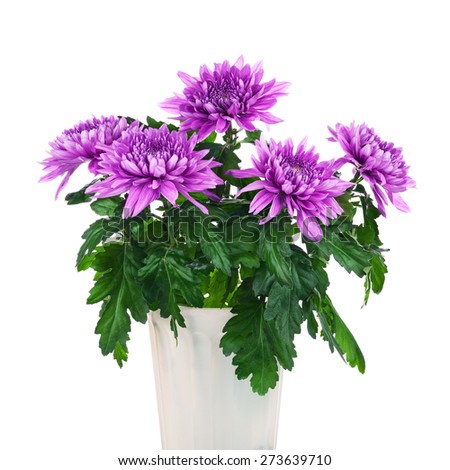
Pot and bedding Chrysanthemum multiflora Pamplona Jogger Yellow
Fall Landscaping Tips and Tricks DK Landscaping DK Landscaping

Fall Mums in Containers


