
Chrysanthemums, sometimes called mums or chrysanths, are flowering plants of the genus Chrysanthemum in the family Asteraceae. They are native to Asia and northeastern Europe. Most species originate from East Asia and the center of diversity is in China. There are many horticultural varieties and cultivars. The name "chrysanthemum" is derived from the Ancient Ancient greek language:?????? chrysos (gold) and Aged Greek:??????? anthemon (flower).
Taxonomy
The genus once included more species, but was divided several decades ago into several genera, putting the economically important florist's chrysanthemums in the genus Dendranthema. The naming of the genera has been good, but a ruling of the International Botanical Congress in 1999 changed the defining species of the genus to Chrysanthemum indicum, restoring the florist's chrysanthemums to the genus Chrysanthemum.The other species recently within the narrow view of the genus Chrysanthemum are now used in the genus Glebionis. The other overal separate from Chrysanthemum include Argyranthemum, Leucanthemopsis, Leucanthemum, Rhodanthemum, and Tanacetum.
Description
Crazy Chrysanthemum taxa are herbaceous perennial plants or subshrubs. They have alternately organized leaves divided into booklets with toothed or occasionally smooth edges. The substance inflorescence is an mixture of several flower mind, or sometimes a solitary head. The head has a base covered in layers of phyllaries. The simple row of ray florets are white, yellowish or red; many horticultural specimens have been carefully bred to bear many rows of ray florets in a great variety of colors. The disc florets of wild taxa are orange. The fruit is a ribbed achene. Chrysanthemums, also known as 'mums', are one of the prettiest varieties of perennials that start blooming early in the fall. This is also known as favorite flower for the month of November.
Modern cultivated chrysanthemums are showier than their wild relatives. The flower heads occur in various forms, and can be daisy-like or decorative, like aigrette or buttons. This genus contains many hybrids and thousands of cultivars developed for horticultural purposes. As well as the traditional yellow, other colors are available, such as white, purple, and red. The most important hybrid is Chrysanthemum x morifolium (syn. C. x grandiflorum), derived primarily from C. indicum, but also involving other types.Over 140 varieties of chrysanthemum have gained the Royal Horticultural Society's Prize of Garden Merit.
Chrysanthemums are divided into two basic groups, garden hardy and exhibition. Garden hardy mothers are new perennials capable of wintering in most northern latitudes. Exhibition varieties are not usually as sturdy. Garden hardies are defined by their capacity to create an abundance of small blooms with little if any mechanical assistance, such as staking, and withstanding wind and rainfall. Exhibition varieties, though, require staking, overwintering in a relatively dry, cool environment, and sometimes digging in evening lights.
The exhibition kinds can be used to create many amazing herb forms, such as large disbudded blooms, spray forms, and many artistically trained forms, such as thousand-bloom, standard (trees), fans, hanging baskets, topiary, bonsai, and cascades.
Chrysanthemum blooms are divided into 10 different bloom forms by the US National Chrysanthemum World, Inc., which is in keeping with the international classification system. The bloom varieties are defined by the way in which the ray and disk florets are arranged. Chrysanthemum blossoms consist of many individual flowers (florets), each one capable of producing a seedling. The disk florets are in the center of the bloom head, and the ray florets are on the perimeter. The ray florets are believed imperfect flowers, as they only own the female effective organs, while the storage florets are considered perfect flowers, as they have got both male and female reproductive organs.
Chrysanthemums Cat Nip Pinterest Woods, Chrysanthemums and Cats

Autumn flowers chrysanthemums yellow vase 1024x600

Mums Cat39;s Meow Pinterest

Chrysanthemum nature flower leaves purple 1920x1200

Korean Painting of Calico With Chrysanthemum

Chrysanthemums, sometimes called mums or chrysanths, are flowering plants of the genus Chrysanthemum in the family Asteraceae. They are native to Asia and northeastern The european countries. Most species originate from East Asia and the center of diversity is in China. There are many horticultural varieties and cultivars. The name "chrysanthemum" is derived from the Ancient Greek:?????? chrysos (gold) and Aged Greek:??????? anthemon (flower).
Taxonomy
The genus once included more species, unfortunately he split several decades ago into several genera, putting the economically important florist's chrysanthemums in the genus Dendranthema. The naming of the genera has been contentious, but a ruling of the International Botanical Congress in 1999 changed the defining species of the genus to Chrysanthemum indicum, restoring the florist's chrysanthemums to the genus Chrysanthemum.The other species previously included in the narrow view of the genus Chrysanthemum are now utilized in the genus Glebionis. The other overal separate from Chrysanthemum include Argyranthemum, Leucanthemopsis, Leucanthemum, Rhodanthemum, and Tanacetum.
Description
Outdoors Chrysanthemum taxa are herbaceous perennial plants or subshrubs. They have alternately organized leaves divided into booklets with toothed or occasionally smooth edges. The compound inflorescence is an series of several flower mind, or sometimes a solo head. The head has a base covered in layers of phyllaries. The simple row of beam florets are white, orange or red; many horticultural specimens have been carefully bred to bear many lanes of ray florets in a great variety of colours. The disc florets of wild taxa are yellowish. The fruit is a ribbed achene. Chrysanthemums, also known as 'mums', are one of the lovliest varieties of perennials that start blooming early in the fall. This is also known as favorite flower for the month of November.
Modern developed chrysanthemums are showier than their wild relatives. The flower heads occur in various forms, and can be daisy-like or decorative, like aigrette or buttons. This genus contains many hybrids and thousands of cultivars developed for horticultural purposes. In addition to the traditional yellow, other colors are available, such as white, purple, and red. The main hybrid is Chrysanthemum x morifolium (syn. C. x grandiflorum), derived mostly from C. indicum, but also involving other types.Over 140 varieties of chrysanthemum have gained the Royal Horticultural Society's Prize of Garden Merit.
Chrysanthemums are divided into two basic groups, garden hardy and exhibition. Garden hardy mothers are new perennials in a position of wintering in most northern latitudes. Exhibition varieties are not usually as sturdy. Garden hardies are defined by their capability to create an abundance of small blooms with little if any mechanical assistance, such as staking, and withstanding wind and rainfall. Exhibition varieties, though, require staking, overwintering in a relatively dry, cool environment, and sometimes digging in night time lights.
The exhibition varieties can be used to create many amazing herb forms, such as large disbudded blooms, spray varieties, and many artistically trained forms, such as thousand-bloom, standard (trees), fans, dangling baskets, topiary, bonsai, and cascades.
Chrysanthemum blooms are divided into 10 different bloom forms by the US National Chrysanthemum Society, Inc., which is in keeping with the international category system. The bloom forms are defined by the way in which the ray and disk florets are arranged. Chrysanthemum flowers consist of many individual flowers (florets), each one capable of producing a seedling. The disk florets are in the center of the bloom head, and the ray florets are on the perimeter. The ray florets are considered not perfect flowers, as they only possess the female productive organs, while the storage florets are considered perfect flowers, as they have both male and female reproductive organs.
Chrysanthemums 144CR Steven Spring Photography

1000+ ideas about Chrysanthemum Meaning on Pinterest Flower Meanings

mums carry quite a different message, being associated with death and

Chrysanthemum is a Powerful Multi – Function Feng Shui Symbol Sana

Flowers That Symbolize Death with Pictures eHow
Chrysanthemums, sometimes called mums or chrysanths, are flowering plant life of the genus Chrysanthemum in the family Asteraceae. They are native to Asia and northeastern The european countries. Most species originate from East Asia and the center of diversity is in China. There are countless horticultural varieties and cultivars. The name "chrysanthemum" is derived from the Ancient Ancient greek language:?????? chrysos (gold) and Aged Greek:??????? anthemon (flower).
Taxonomy
The genus once included more species, unfortunately he divided several decades ago into several genera, putting the economically important florist's chrysanthemums in the genus Dendranthema. The naming of the genera has been good, but a ruling of the International Botanical Our elected representatives in 1999 changed the defining species of the genus to Chrysanthemum indicum, restoring the florist's chrysanthemums to the genus Chrysanthemum.The other species previously within the narrow view of the genus Chrysanthemum are now utilized in the genus Glebionis. The other genera separate from Chrysanthemum include Argyranthemum, Leucanthemopsis, Leucanthemum, Rhodanthemum, and Tanacetum.
Description
Outdoors Chrysanthemum taxa are herbaceous perennial plants or subshrubs. They have alternately arranged leaves divided into booklets with toothed or occasionally smooth edges. The substance inflorescence is an array of several flower mind, or sometimes a solo head. The head has a base covered in layers of phyllaries. The simple row of ray florets are white, yellow or red; many horticultural specimens have been bred to bear many series of ray florets in a great variety of colours. The disc florets of wild taxa are yellowish. The fruit is a ribbed achene. Chrysanthemums, also known as 'mums', are one of the lovliest varieties of perennials that start blooming early in the fall. This is also known as favorite flower for the month of November.
Modern developed chrysanthemums are showier than their wild relatives. The flower heads occur in various forms, and is daisy-like or decorative, like aigrette or buttons. This genus contains many hybrids and thousands of cultivars developed for horticultural purposes. As well as the traditional yellow, other colors are available, such as white, purple, and red. The most crucial hybrid is Chrysanthemum x morifolium (syn. C. x grandiflorum), derived mainly from C. indicum, but also involving other varieties.Over 140 varieties of chrysanthemum have gained the Royal Horticultural Society's Award of Garden Merit.
Chrysanthemums are divided into two basic groups, garden hardy and exhibition. Garden hardy moms are new perennials in a position of wintering in most northern latitudes. Exhibition varieties are not usually as sturdy. Garden hardies are defined by their capacity to create an abundance of small blooms with little if any mechanical assistance, such as staking, and withstanding wind and rainwater. Exhibition varieties, though, require staking, overwintering in a relatively dry, cool environment, and sometimes the addition of night time lights.
The exhibition kinds can be used to create many amazing flower forms, such as large disbudded blooms, spray varieties, and many artistically trained forms, such as thousand-bloom, standard (trees), fans, suspending baskets, topiary, bonsai, and cascades.
Chrysanthemum blooms are divided into 10 different bloom forms by the US National Chrysanthemum World, Inc., which is in keeping with the international classification system. The bloom forms are defined by the way in which the ray and disk florets are arranged. Chrysanthemum flowers consist of many individual flowers (florets), each one capable of producing a seed. The disk florets are in the center of the bloom head, and the ray florets are on the perimeter. The ray florets are viewed as imperfect flowers, as they only own the female successful organs, while the drive florets are considered perfect flowers, as they possess both male and feminine reproductive organs.
florist39;s table, with bluepatterned pots and pink Chrysanthemums etc

REN YI Ren Bonian,CHRYSANTHEMUM AND CAT,Sotheby39;s,Hong Kong

Chrysanthemums flower nature 1600x900

Cute cats HQ Free pictures of funny cats and photo of cute kittens

Korean Painting of Calico With Chrysanthemum

Chrysanthemums, sometimes called mums or chrysanths, are flowering plants of the genus Chrysanthemum in the family Asteraceae. They are native to Asia and northeastern European countries. Most species originate from East Asia and the center of diversity is in China. There are countless horticultural varieties and cultivars. The name "chrysanthemum" is derived from the Ancient Ancient greek:?????? chrysos (gold) and Ancient Greek:??????? anthemon (flower).
Taxonomy
The genus once included more species, but was divided several decades ago into several genera, putting the economically important florist's chrysanthemums in the genus Dendranthema. The naming of the genera has been good, but a ruling of the International Botanical Congress in 1999 changed the defining species of the genus to Chrysanthemum indicum, restoring the florist's chrysanthemums to the genus Chrysanthemum.The other species recently included in the narrow view of the genus Chrysanthemum are now used in the genus Glebionis. The other overal separate from Chrysanthemum include Argyranthemum, Leucanthemopsis, Leucanthemum, Rhodanthemum, and Tanacetum.
Description
Wild Chrysanthemum taxa are herbaceous perennial plants or subshrubs. They have alternately organized leaves divided into booklets with toothed or sometimes smooth edges. The chemical substance inflorescence is an series of several flower mind, or sometimes an one head. The head has a base covered in layers of phyllaries. The simple row of ray florets are white, orange or red; many horticultural specimens have been carefully bred to bear many lanes of ray florets in a great variety of colors. The disc florets of wild taxa are orange. The fruit is a ribbed achene. Chrysanthemums, also known as 'mums', are one of the nicest varieties of perennials that start blooming early in the fall. This is also known as favorite flower for the month of November.
Modern grown chrysanthemums are showier than their wild relatives. The flower heads occur in various forms, and can be daisy-like or decorative, like aigrette or buttons. This genus contains many hybrids and thousands of cultivars developed for horticultural purposes. In addition to the traditional yellow, other colors are available, such as white, purple, and red. The most crucial hybrid is Chrysanthemum x morifolium (syn. C. x grandiflorum), derived mainly from C. indicum, but also involving other varieties.Over 140 varieties of chrysanthemum have gained the Royal Horticultural Society's Award of Garden Merit.
Chrysanthemums are split up into two basic groups, garden hardy and exhibition. Garden hardy mums are new perennials capable of wintering in most northern latitudes. Exhibition varieties are not usually as sturdy. Garden hardies are defined by their ability to produce an abundance of small blooms with little if any mechanical assistance, such as staking, and withstanding wind and rainwater. Exhibition varieties, though, require staking, overwintering in a relatively dry, cool environment, and sometimes digging in night lights.
The exhibition types can be used to create many amazing herb forms, such as large disbudded blooms, spray forms, and many artistically trained forms, such as thousand-bloom, standard (trees), fans, hanging baskets, topiary, bonsai, and cascades.
Chrysanthemum blooms are divided into 10 different bloom forms by the US National Chrysanthemum Culture, Inc., which is in preserving the international classification system. The bloom varieties are defined by the way in which the ray and disk florets are arranged. Chrysanthemum blossoms consist of many specific flowers (florets), each one capable of manufacturing a seedling. The disk florets are in the center of the bloom head, and the ray florets are on the perimeter. The ray florets are believed imperfect flowers, as they only have got the female productive organs, while the disk florets are considered perfect flowers, as they have got both male and female reproductive organs.
images about Chinese New Year Flower Ideas on Pinterest Chinese new

Chrysanthemums are part of the Chinese New Year celebrations as well

Photo of Chinese New Year Decoration World Atlas
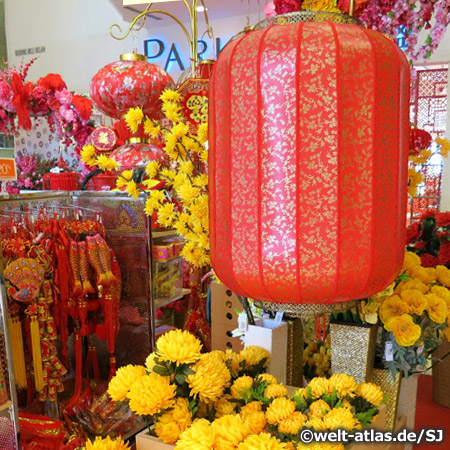
Order Flowers For Chinese New Year Pictures Finest Pictures Gallery

Celebrate Chinese New Year With These Flowers Grower Direct Fresh
Chrysanthemums, sometimes called mums or chrysanths, are flowering vegetation of the genus Chrysanthemum in the family Asteraceae. They are native to Asia and northeastern Europe. Most species originate from East Asia and the center of diversity is in China. There are many horticultural varieties and cultivars. The name "chrysanthemum" comes from the Ancient Ancient greek:?????? chrysos (gold) and Ancient Greek:??????? anthemon (flower).
Taxonomy
The genus once included more species, unfortunately he split several decades ago into several genera, putting the economically important florist's chrysanthemums in the genus Dendranthema. The naming of the genera has been contentious, but a ruling of the International Botanical Congress in 1999 changed the defining species of the genus to Chrysanthemum indicum, restoring the florist's chrysanthemums to the genus Chrysanthemum.The other species recently contained in the narrow view of the genus Chrysanthemum are now used in the genus Glebionis. The other overal separate from Chrysanthemum include Argyranthemum, Leucanthemopsis, Leucanthemum, Rhodanthemum, and Tanacetum.
Description
Outdoors Chrysanthemum taxa are herbaceous perennial plants or subshrubs. They have alternately set up leaves divided into booklets with toothed or from time to time smooth edges. The chemical substance inflorescence is an array of several flower minds, or sometimes a solo head. The head has a base covered in layers of phyllaries. The simple row of ray florets are white, yellowish or red; many horticultural specimens have been bred to bear many rows of ray florets in a great variety of colors. The disc florets of wild taxa are orange. The fruit is a ribbed achene. Chrysanthemums, also known as 'mums', are one of the nicest varieties of perennials that start blooming early in the fall. This is also known as favorite flower for the month of November.
Modern cultivated chrysanthemums are showier than their wild relatives. The flower heads occur in various forms, and is daisy-like or decorative, like aigrette or buttons. This genus contains many hybrids and thousands of cultivars developed for horticultural purposes. Besides the traditional yellow, other colors are available, such as white, purple, and red. The most crucial hybrid is Chrysanthemum x morifolium (syn. C. x grandiflorum), derived primarily from C. indicum, but also involving other types.Over 140 varieties of chrysanthemum have gained the Royal Horticultural Society's Honor of Garden Merit.
Chrysanthemums are split up into two basic groups, garden hardy and exhibition. Garden hardy mums are new perennials capable of wintering in most northern latitudes. Exhibition types are not usually as sturdy. Garden hardies are defined by their capacity to produce an abundance of small blooms with little if any mechanical assistance, such as staking, and withstanding wind and rainfall. Exhibition varieties, though, require staking, overwintering in a relatively dry, cool environment, and sometimes digging in night lights.
The exhibition kinds can be used to create many amazing herb forms, such as large disbudded blooms, spray varieties, and many artistically trained forms, such as thousand-bloom, standard (trees), fans, hanging baskets, topiary, bonsai, and cascades.
Chrysanthemum blooms are divided into 10 different bloom forms by the US National Chrysanthemum Society, Inc., which is in preserving the international distinction system. The bloom forms are defined by the way in which the ray and disk florets are arranged. Chrysanthemum blossoms consist of many specific flowers (florets), each one capable of producing a seeds. The disk florets are in the center of the bloom head, and the ray florets are on the perimeter. The ray florets are viewed as imperfect flowers, as they only possess the female effective organs, while the storage florets are considered perfect flowers, as they own both male and feminine reproductive organs.
Chrysanthemums for you yellow beautiful:High Contrast

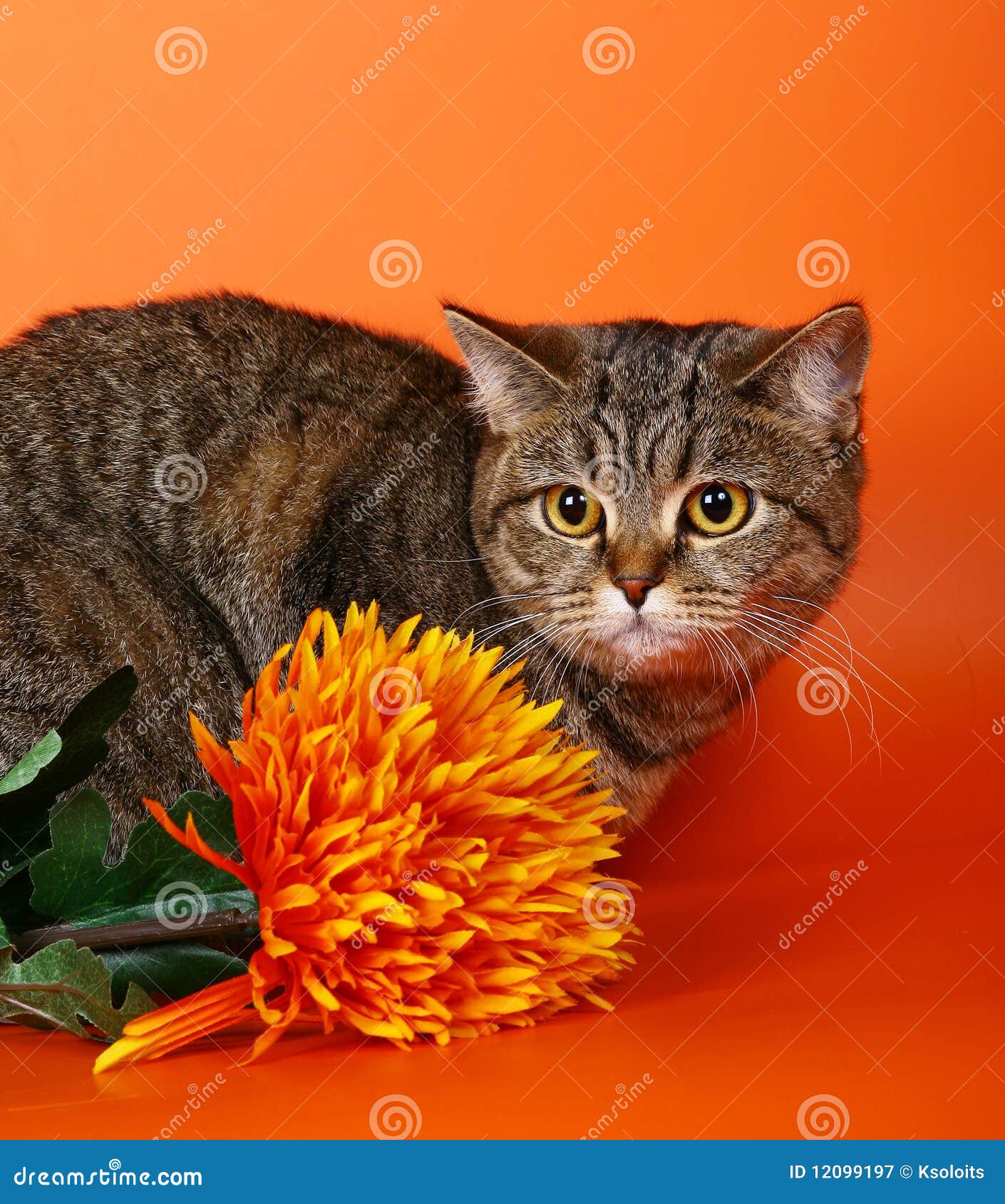
Portrait of the British cat on an orange background with an orange
Chrysanthemums mixed white yellow nature 1600x1200

Chrysanthemums flower nature 1680x1050

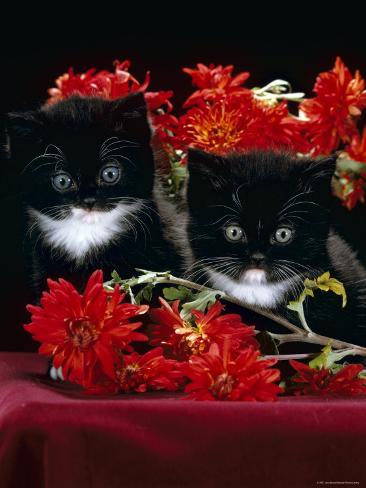
Domestic Cat, PersianCross Kittens with Chrysanthemums Photographic

Chrysanthemums, sometimes called mums or chrysanths, are flowering plant life of the genus Chrysanthemum in the family Asteraceae. They are native to Asia and northeastern Europe. Most species originate from East Asia and the center of diversity is in China. There are countless horticultural varieties and cultivars. The name "chrysanthemum" comes from the Ancient Ancient greek:?????? chrysos (gold) and Aged Greek:??????? anthemon (flower).
Taxonomy
The genus once included more species, unfortunately he divided several decades ago into several genera, putting the economically important florist's chrysanthemums in the genus Dendranthema. The naming of the genera has been contentious, but a ruling of the International Botanical Our elected representatives in 1999 changed the defining species of the genus to Chrysanthemum indicum, restoring the florist's chrysanthemums to the genus Chrysanthemum.The other species previously contained in the narrow view of the genus Chrysanthemum are now transferred to the genus Glebionis. The other overal separate from Chrysanthemum include Argyranthemum, Leucanthemopsis, Leucanthemum, Rhodanthemum, and Tanacetum.
Description
Wild Chrysanthemum taxa are herbaceous perennial plants or subshrubs. They have alternately arranged leaves divided into leaflets with toothed or from time to time smooth edges. The compound inflorescence is an series of several flower mind, or sometimes a solo head. The head has a base covered in layers of phyllaries. The simple row of beam florets are white, yellow or red; many horticultural specimens have been bred to bear many series of ray florets in a great variety of colors. The disc florets of wild taxa are orange. The fruit is a ribbed achene. Chrysanthemums, also known as 'mums', are one of the nicest varieties of perennials that start blooming early in the fall. This is also known as favorite flower for the month of November.
Modern cultivated chrysanthemums are showier than their wild relatives. The flower heads occur in various forms, and is daisy-like or decorative, like aigrette or buttons. This genus contains many hybrids and thousands of cultivars developed for horticultural purposes. Besides the traditional yellow, other colors are available, such as white, purple, and red. The main hybrid is Chrysanthemum x morifolium (syn. C. x grandiflorum), derived mainly from C. indicum, but also involving other species.Over 140 varieties of chrysanthemum have gained the Royal Horticultural Society's Award of Garden Merit.
Chrysanthemums are divided into two basic groups, garden hardy and exhibition. Garden hardy moms are new perennials capable of wintering in most northern latitudes. Exhibition types are not usually as sturdy. Garden hardies are defined by their capacity to create an abundance of small blooms with little if any mechanical assistance, such as staking, and withstanding wind and rain. Exhibition varieties, though, require staking, overwintering in a relatively dry, cool environment, and sometimes digging in evening lights.
The exhibition types can be used to create many amazing plant forms, such as large disbudded blooms, spray forms, and many artistically trained forms, such as thousand-bloom, standard (trees), fans, suspending baskets, topiary, bonsai, and cascades.
Chrysanthemum blooms are divided into 10 different bloom forms by the US National Chrysanthemum Society, Inc., which is in preserving the international category system. The bloom varieties are defined by the way in which the ray and disk florets are arranged. Chrysanthemum blossoms are composed of many individual flowers (florets), each one capable of producing a seedling. The disk florets are in the center of the bloom head, and the ray florets are on the perimeter. The ray florets are considered imperfect flowers, as they only own the female effective organs, while the drive florets are considered perfect flowers, as they own both male and male reproductive organs.
Chrysanthemum Book Characters chrysanthemum book related keywords

Chrysanthemum Character Doodle by DarkMewMewSun on deviantART

clock teaspoon: Kiku: The Art of the Japanese Chrysanthemum at NYBG

Chrysanthemum Halloween Costume Reader39;s Workshop Pinterest

Character Traits Step into 2nd grade with mrs. lemons: chrysanthemum

Chrysanthemums, sometimes called mums or chrysanths, are flowering vegetation of the genus Chrysanthemum in the family Asteraceae. They are native to Asia and northeastern The european countries. Most species originate from East Asia and the center of diversity is in China. There are countless horticultural varieties and cultivars. The name "chrysanthemum" is derived from the Ancient Greek:?????? chrysos (gold) and Old Greek:??????? anthemon (flower).
Taxonomy
The genus once included more species, unfortunately he divided several decades ago into several genera, putting the economically important florist's chrysanthemums in the genus Dendranthema. The naming of the genera has been good, but a ruling of the International Botanical Congress in 1999 changed the defining species of the genus to Chrysanthemum indicum, restoring the florist's chrysanthemums to the genus Chrysanthemum.The other species previously contained in the narrow view of the genus Chrysanthemum are now transferred to the genus Glebionis. The other overal separate from Chrysanthemum include Argyranthemum, Leucanthemopsis, Leucanthemum, Rhodanthemum, and Tanacetum.
Description
Crazy Chrysanthemum taxa are herbaceous perennial plants or subshrubs. They have alternately set up leaves divided into leaflets with toothed or occasionally smooth edges. The chemical substance inflorescence is an array of several flower minds, or sometimes a solitary head. The head has a base covered in layers of phyllaries. The simple row of ray florets are white, orange or red; many horticultural specimens have been carefully bred to bear many rows of ray florets in a great variety of colors. The disc florets of wild taxa are yellow. The fruit is a ribbed achene. Chrysanthemums, also known as 'mums', are one of the prettiest varieties of perennials that start blooming early in the fall. This is also known as favorite flower for the month of November.
Modern grown chrysanthemums are showier than their wild relatives. The flower heads occur in various forms, and can be daisy-like or decorative, like aigrette or buttons. This genus contains many hybrids and thousands of cultivars developed for horticultural purposes. As well as the traditional yellow, other colors are available, such as white, purple, and red. The main hybrid is Chrysanthemum x morifolium (syn. C. x grandiflorum), derived generally from C. indicum, but also involving other types.Over 140 varieties of chrysanthemum have gained the Royal Horticultural Society's Honor of Garden Merit.
Chrysanthemums are broken into two basic groups, garden hardy and exhibition. Garden hardy mothers are new perennials in a position of wintering in most northern latitudes. Exhibition varieties are not usually as sturdy. Garden hardies are defined by their ability to produce an abundance of small blooms with little if any mechanical assistance, such as staking, and withstanding wind and rain. Exhibition varieties, though, require staking, overwintering in a relatively dry, cool environment, and sometimes digging in evening lights.
The exhibition varieties can be used to create many amazing herb forms, such as large disbudded blooms, spray varieties, and many artistically trained forms, such as thousand-bloom, standard (trees), fans, dangling baskets, topiary, bonsai, and cascades.
Chrysanthemum blooms are divided into 10 different bloom forms by the US National Chrysanthemum World, Inc., which is in keeping with the international classification system. The bloom varieties are defined by the way in which the ray and disk florets are arranged. Chrysanthemum blooms consist of many individual flowers (florets), each one capable of producing a seeds. The disk florets are in the center of the bloom head, and the ray florets are on the perimeter. The ray florets are viewed as not perfect flowers, as they only have got the female effective organs, while the storage florets are considered perfect flowers, as they own both male and feminine reproductive organs.
Red Chrysanthemums. Incurve chrysanthemums are symbolic of death in

White chrysanthemum national symbol of Japan; symbolic of truth and

From pumpkins to chrysanthemums; the tale of All Hallows jardin

Popular Funeral Flowers in Various Asian Customs Official QuestNet


