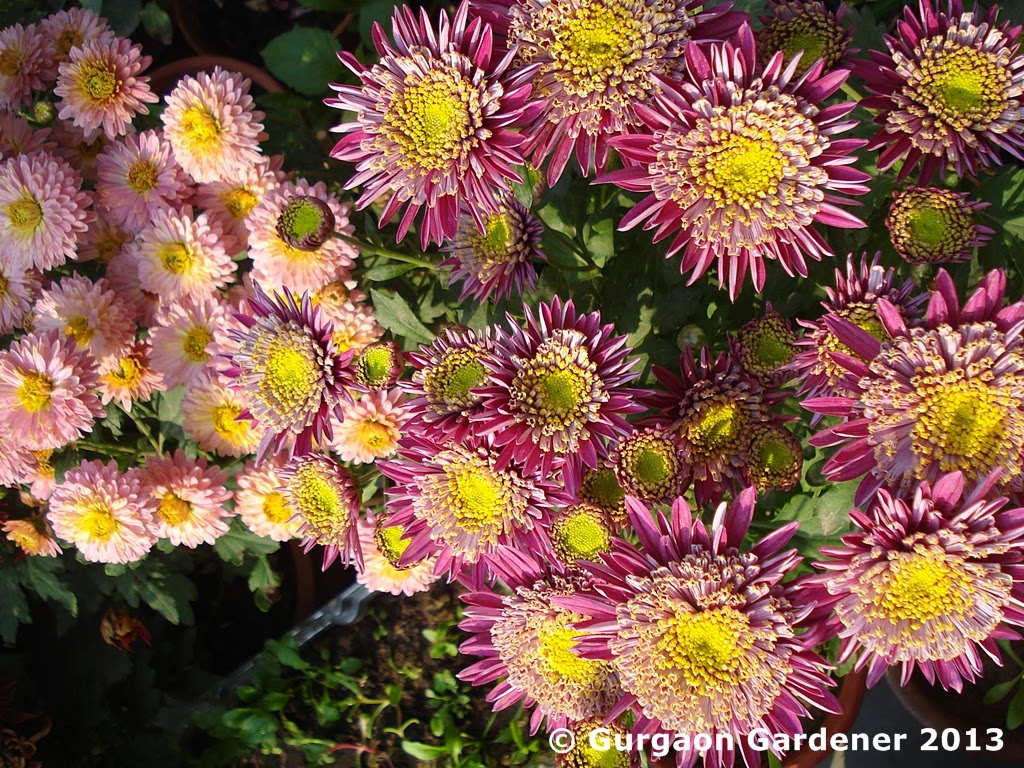
Chrysanthemums, sometimes called mums or chrysanths, are flowering vegetation of the genus Chrysanthemum in the family Asteraceae. They are native to Asia and northeastern Europe. Most species originate from East Asia and the center of diversity is in China. There are countless horticultural varieties and cultivars. The name "chrysanthemum" comes from the Ancient Ancient greek:?????? chrysos (gold) and Aged Greek:??????? anthemon (flower).
Taxonomy
The genus once included more species, but was break up several decades ago into several genera, putting the economically important florist's chrysanthemums in the genus Dendranthema. The naming of the genera has been contentious, but a ruling of the International Botanical The legislature in 1999 changed the defining species of the genus to Chrysanthemum indicum, restoring the florist's chrysanthemums to the genus Chrysanthemum.The other species previously included in the narrow view of the genus Chrysanthemum are now used in the genus Glebionis. The other overal separate from Chrysanthemum include Argyranthemum, Leucanthemopsis, Leucanthemum, Rhodanthemum, and Tanacetum.
Description
Outdoors Chrysanthemum taxa are herbaceous perennial plants or subshrubs. They have alternately arranged leaves divided into booklets with toothed or from time to time smooth edges. The compound inflorescence is an mixture of several flower mind, or sometimes a solitary head. The head has a base covered in layers of phyllaries. The simple row of beam florets are white, yellow or red; many horticultural specimens have been bred to bear many rows of ray florets in a great variety of colors. The disc florets of wild taxa are yellowish. The fruit is a ribbed achene. Chrysanthemums, also known as 'mums', are one of the lovliest varieties of perennials that start blooming early in the fall. This is also known as favorite flower for the month of November.
Modern grown chrysanthemums are showier than their wild relatives. The flower heads occur in various forms, and can be daisy-like or decorative, like aigrette or buttons. This genus contains many hybrids and thousands of cultivars developed for horticultural purposes. In addition to the traditional yellow, other colors are available, such as white, purple, and red. The most crucial hybrid is Chrysanthemum x morifolium (syn. C. x grandiflorum), derived mostly from C. indicum, but also involving other species.Over 140 varieties of chrysanthemum have gained the Royal Horticultural Society's Honor of Garden Merit.
Chrysanthemums are divided into two basic groups, garden hardy and exhibition. Garden hardy mums are new perennials capable of wintering in most northern latitudes. Exhibition varieties are not usually as sturdy. Garden hardies are defined by their ability to create an abundance of small blooms with little if any mechanical assistance, such as staking, and withstanding wind and rain. Exhibition varieties, though, require staking, overwintering in a relatively dry, cool environment, and sometimes the addition of night lights.
The exhibition types can be used to create many amazing flower forms, such as large disbudded blooms, spray varieties, and many artistically trained forms, such as thousand-bloom, standard (trees), fans, suspending baskets, topiary, bonsai, and cascades.
Chrysanthemum blooms are divided into 10 different bloom forms by the US National Chrysanthemum World, Inc., which is in preserving the international classification system. The bloom varieties are defined by the way in which the ray and disk florets are arranged. Chrysanthemum flowers consist of many specific flowers (florets), each one capable of producing a seeds. The disk florets are in the center of the bloom head, and the ray florets are on the perimeter. The ray florets are considered imperfect flowers, as they only have got the female effective organs, while the storage florets are considered perfect flowers, as they own both male and feminine reproductive organs.
It39;s mum season! Learn more about growing chrysanthemums.

own fruit herbs vegetables view all grow your own hardware growing on

How to Grow Chrysanthemums as Perennials

Mums season is here! Learn how to grow your very own with this How To

Gurgaon Gardener: Chrysanthemum, Garden Mums or Mums
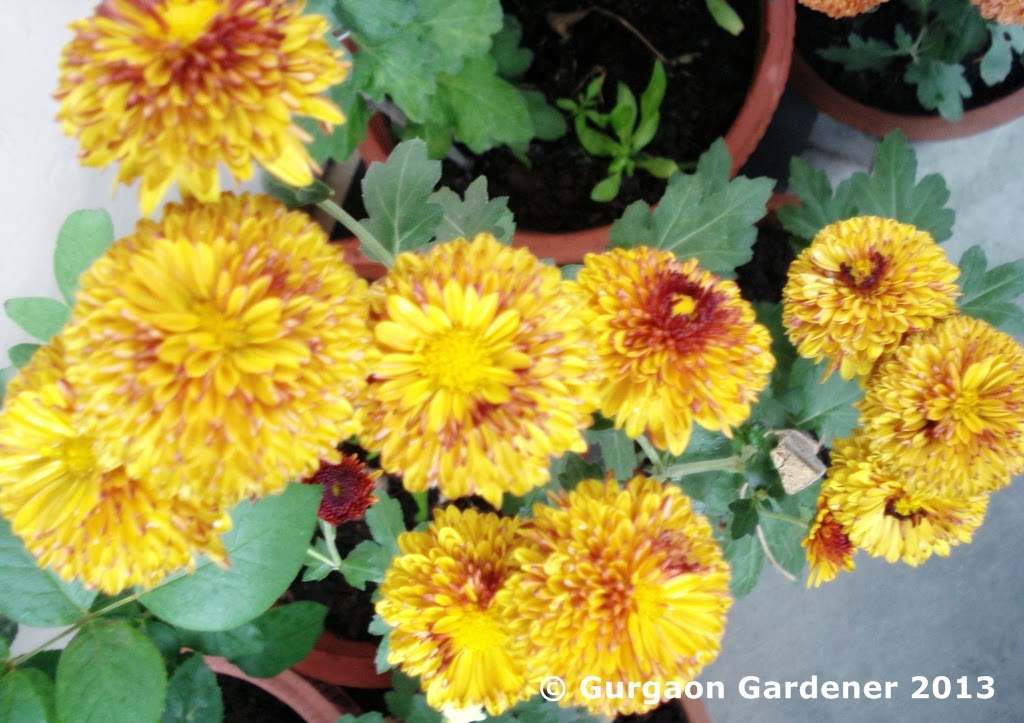
Chrysanthemums, sometimes called mums or chrysanths, are flowering plant life of the genus Chrysanthemum in the family Asteraceae. They are native to Asia and northeastern The european countries. Most species originate from East Asia and the center of diversity is in China. There are countless horticultural varieties and cultivars. The name "chrysanthemum" comes from the Ancient Ancient greek language:?????? chrysos (gold) and Old Greek:??????? anthemon (flower).
Taxonomy
The genus once included more species, unfortunately he divided several decades ago into several genera, putting the economically important florist's chrysanthemums in the genus Dendranthema. The naming of the genera has been good, but a ruling of the International Botanical The legislature in 1999 changed the defining species of the genus to Chrysanthemum indicum, restoring the florist's chrysanthemums to the genus Chrysanthemum.The other species previously included in the narrow view of the genus Chrysanthemum are now used in the genus Glebionis. The other overal separate from Chrysanthemum include Argyranthemum, Leucanthemopsis, Leucanthemum, Rhodanthemum, and Tanacetum.
Description
Crazy Chrysanthemum taxa are herbaceous perennial plants or subshrubs. They have alternately organized leaves divided into booklets with toothed or occasionally smooth edges. The compound inflorescence is an series of several flower mind, or sometimes a solo head. The head has a base covered in layers of phyllaries. The simple row of beam florets are white, yellowish or red; many horticultural specimens have been carefully bred to bear many series of ray florets in a great variety of colours. The disc florets of wild taxa are yellowish. The fruit is a ribbed achene. Chrysanthemums, also known as 'mums', are one of the lovliest varieties of perennials that start blooming early in the fall. This is also known as favorite flower for the month of November.
Modern cultivated chrysanthemums are showier than their wild relatives. The flower heads occur in various forms, and is daisy-like or decorative, like pompons or buttons. This genus contains many hybrids and thousands of cultivars developed for horticultural purposes. Besides the traditional yellow, other colors are available, such as white, purple, and red. The most important hybrid is Chrysanthemum x morifolium (syn. C. x grandiflorum), derived primarily from C. indicum, but also involving other species.Over 140 varieties of chrysanthemum have gained the Royal Horticultural Society's Award of Garden Merit.
Chrysanthemums are broken into two basic groups, garden hardy and exhibition. Garden hardy moms are new perennials able of wintering in most northern latitudes. Exhibition varieties are not usually as sturdy. Garden hardies are defined by their ability to create an abundance of small blooms with little if any mechanical assistance, such as staking, and withstanding wind and rain. Exhibition varieties, though, require staking, overwintering in a relatively dry, cool environment, and sometimes digging in evening lights.
The exhibition varieties can be used to create many amazing plant forms, such as large disbudded blooms, spray forms, and many artistically trained forms, such as thousand-bloom, standard (trees), fans, hanging baskets, topiary, bonsai, and cascades.
Chrysanthemum blooms are divided into 10 different bloom forms by the US National Chrysanthemum Society, Inc., which is in keeping with the international classification system. The bloom forms are defined by the way in which the ray and disk florets are arranged. Chrysanthemum blooms are composed of many individual flowers (florets), each one capable of manufacturing a seedling. The disk florets are in the center of the bloom head, and the ray florets are on the perimeter. The ray florets are believed not perfect flowers, as they only have got the female effective organs, while the storage florets are considered perfect flowers, as they have got both male and male reproductive organs.
Description Chrysanthemum Indian Botanic Garden Howrah 20120129
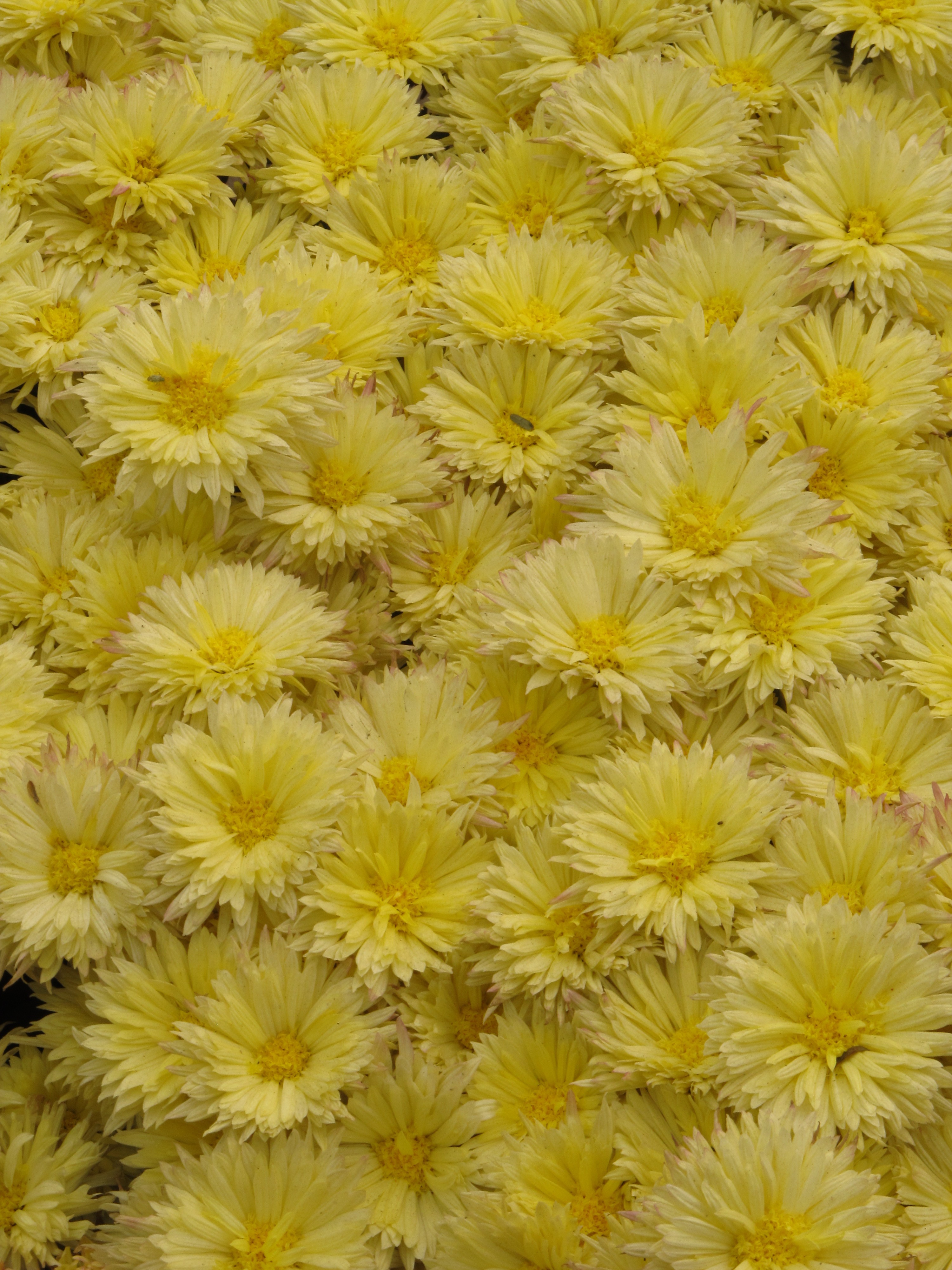
Description Chrysanthemum Indian Botanic Garden Howrah 20120129

Chrysanthemum 39;Indian Summer39; SARASTRO Stauden

The golden jubilee chrysanthemum exhibition kicked off in the fields

Gurgaon Gardener: Chrysanthemum, Garden Mums or Mums
Chrysanthemums, sometimes called mums or chrysanths, are flowering plants of the genus Chrysanthemum in the family Asteraceae. They are native to Asia and northeastern European countries. Most species originate from East Asia and the center of diversity is in China. There are many horticultural varieties and cultivars. The name "chrysanthemum" is derived from the Ancient Ancient greek language:?????? chrysos (gold) and Ancient Greek:??????? anthemon (flower).
Taxonomy
The genus once included more species, unfortunately he break up several decades ago into several genera, putting the economically important florist's chrysanthemums in the genus Dendranthema. The naming of the genera has been good, but a ruling of the International Botanical Our elected representatives in 1999 changed the defining species of the genus to Chrysanthemum indicum, restoring the florist's chrysanthemums to the genus Chrysanthemum.The other species recently included in the narrow view of the genus Chrysanthemum are now used in the genus Glebionis. The other overal separate from Chrysanthemum include Argyranthemum, Leucanthemopsis, Leucanthemum, Rhodanthemum, and Tanacetum.
Description
Wild Chrysanthemum taxa are herbaceous perennial plants or subshrubs. They have alternately arranged leaves divided into leaflets with toothed or occasionally smooth edges. The compound inflorescence is an series of several flower minds, or sometimes a solitary head. The head has a base covered in layers of phyllaries. The simple row of ray florets are white, yellowish or red; many horticultural specimens have been bred to bear many rows of ray florets in a great variety of colours. The disc florets of wild taxa are yellow. The fruit is a ribbed achene. Chrysanthemums, also known as 'mums', are one of the nicest varieties of perennials that start blooming early in the fall. This is also known as favorite flower for the month of November.
Modern grown chrysanthemums are showier than their wild relatives. The flower heads occur in various forms, and can be daisy-like or decorative, like aigrette or buttons. This genus contains many hybrids and thousands of cultivars developed for horticultural purposes. As well as the traditional yellow, other colors are available, such as white, purple, and red. The main hybrid is Chrysanthemum x morifolium (syn. C. x grandiflorum), derived primarily from C. indicum, but also involving other species.Over 140 varieties of chrysanthemum have gained the Royal Horticultural Society's Award of Garden Merit.
Chrysanthemums are broken into two basic groups, garden hardy and exhibition. Garden hardy mums are new perennials in a position of wintering in most northern latitudes. Exhibition varieties are not usually as sturdy. Garden hardies are defined by their capacity to generate an abundance of small blooms with little if any mechanical assistance, such as staking, and withstanding wind and rainfall. Exhibition varieties, though, require staking, overwintering in a relatively dry, cool environment, and sometimes the addition of evening lights.
The exhibition kinds can be used to create many amazing plant forms, such as large disbudded blooms, spray forms, and many artistically trained forms, such as thousand-bloom, standard (trees), fans, hanging baskets, topiary, bonsai, and cascades.
Chrysanthemum blooms are divided into 10 different bloom forms by the US National Chrysanthemum Culture, Inc., which is in keeping with the international category system. The bloom forms are defined by the way in which the ray and disk florets are arranged. Chrysanthemum blossoms are composed of many individual flowers (florets), each one capable of producing a seedling. The disk florets are in the center of the bloom head, and the ray florets are on the perimeter. The ray florets are viewed as imperfect flowers, as they only have got the female successful organs, while the disk florets are considered perfect flowers, as they have got both male and feminine reproductive organs.
beauties: Mum season gives gardeners new reason to plant Growing
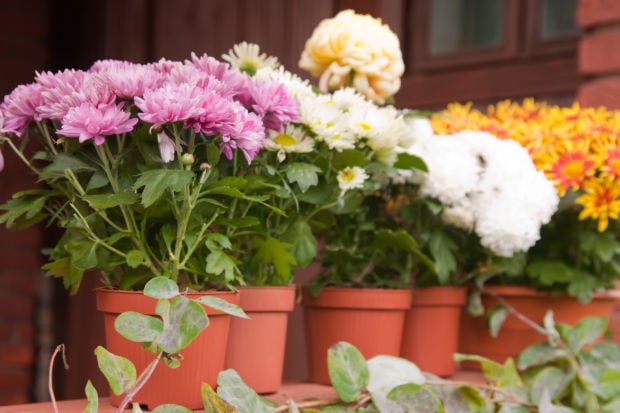
Mistakes You May Make Growing Mums The Garden Glove

Overwintering Mums: How To Winterize Mums Overwintering mums is

about growing chrysanthemums. A popular fall garden flower, mums grow


